

The week of November 17th, the stock market experienced sharp volatility including a rare intraday reversal swing of 1,100 points.
There’s a palpable confidence gap – yet for building product brands – the “big box” quarterly reports appear more like a reset than a retreat.
New home demand is muted by affordability and incentives. On the other hand, homebuilders remain notably bullish about pent-up demand.
Undersupplied housing stock.
And the ability to ramp when conditions improve.
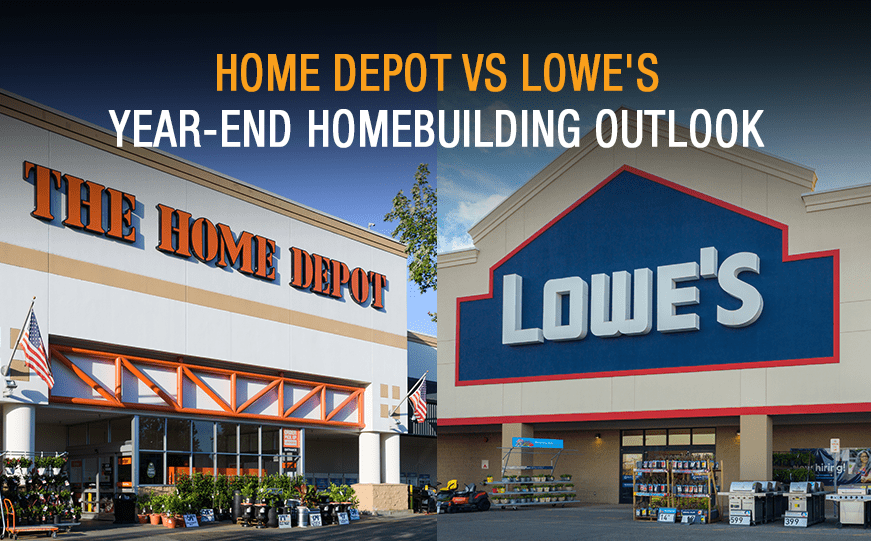
The Home Depot and Lowe’s offered the building products manufacturing industry a view that while traffic may be cautionary, buyers are not going away.
They’re simply changing how – and when – they spend.
What the Homebuilders are Reporting
In a recent round-up of 17 public builder CEOs, leaders point to economic uncertainty… even as the desire for homeownership remains strong. Incentives – from mortgage-rate buydowns to design-upgrades – have become table stakes to keep sales moving.
Buyers have grown accustomed to concessions and are waiting for even more convincing signals that the economy is stabilizing. Yet those same CEOs are investing in land and improving cycle times – positioning their businesses for growth – as conditions normalize into 2026 and beyond.
The confidence gap isn’t about demand disappearing. It’s about timing and trust. For brands focused on building products industry trends, the message is straightforward: stay in the conversation now, so brand promises and solutions are first in line… when pent-up projects move forward.
Two Big Boxes… Two Stories About Demand
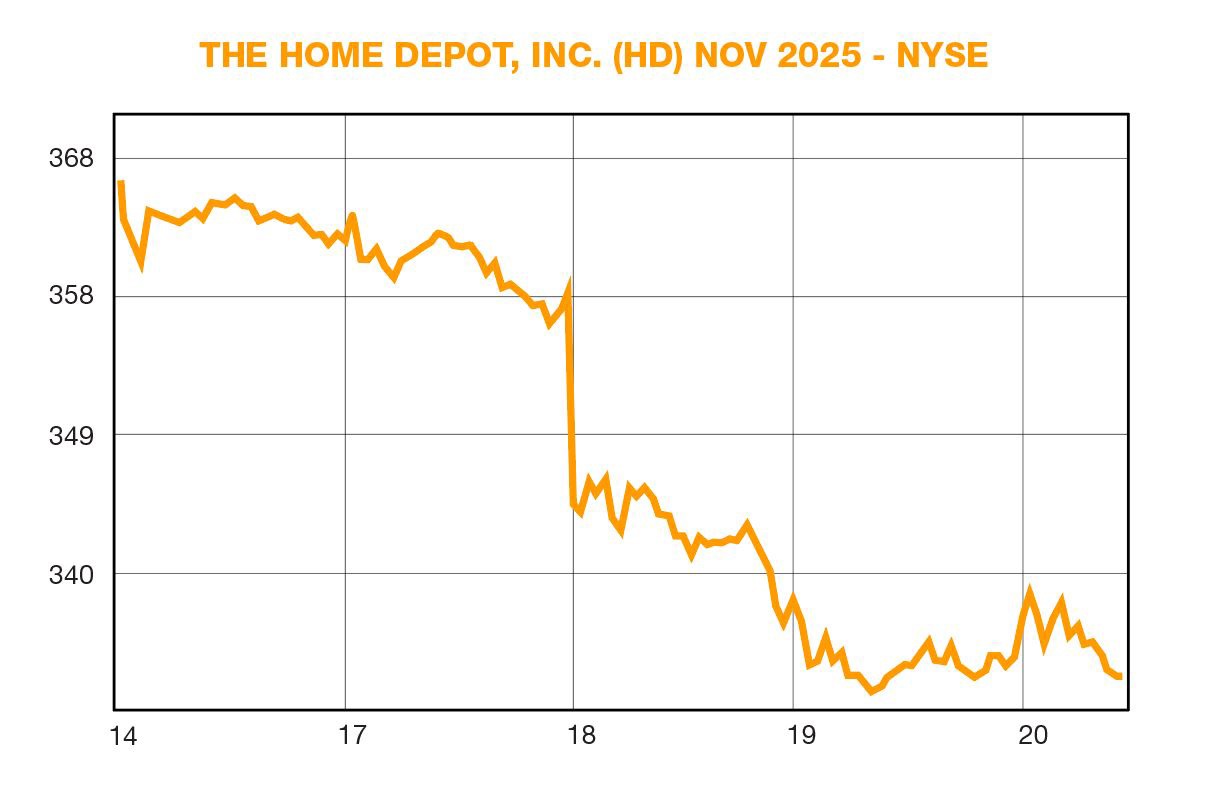
Home Depot posted a 2.8% increase in third-quarter sales to $41.4 billion – with U.S. comp-store sales up just 0.1% – and net earnings down 1.3%. The company’s CEO expected an uptick in demand that “did not materialize…” even after factoring in roughly $900 million in sales from its recent GMS acquisition.
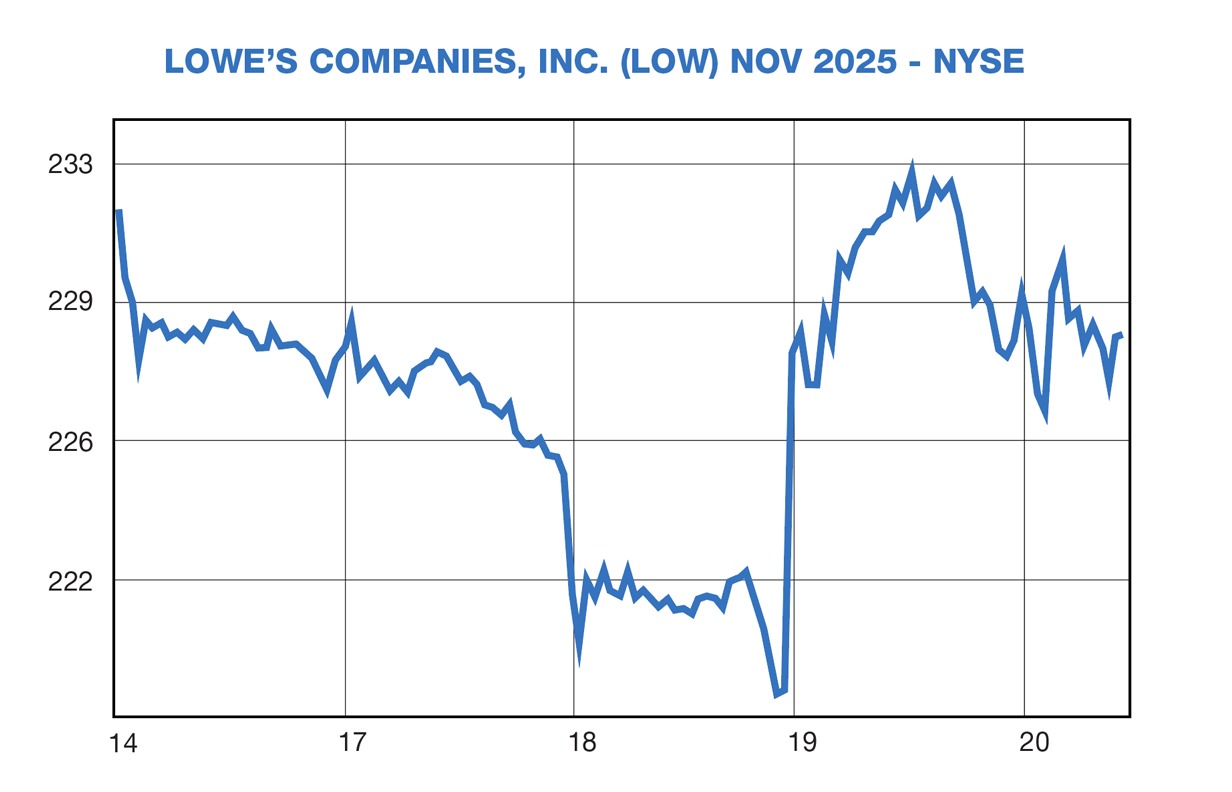
By contrast, Lowe’s reported Q3 sales of $20.8 billion – up 3% year over year – with comparable sales up 0.4%. The company delivered double-digit growth in home services and continued gains with professional contractors… and started November with positive comps.
Lowe’s CEO Marvin Ellison also emphasized a structural tailwind many pros feel every day: Americans are “sitting on significant equity,” with an average of roughly $400k per home. And are increasingly likely to renovate in a still-high mortgage-rate environment.
With the average U.S. home now about 44 years old… that sets up a long runway for replacement and upgrade cycles.
Same macro headwinds. Two different narratives.
- Home Depot underscored the drag from uncertainty and delayed projects.
- Lowe’s leaned into strategic bets on pros, home services, and acquisitions such as Foundation Building Materials and Artisan Design Group. While talking about “taking share” in key categories.
For manufacturers, this is a playbook reminder. Brands that show up as essential partners – enabling pro productivity, easing labor constraints, and simplifying complex projects – are better positioned when retailers and dealers decide who to prioritize on the shelf.
And which brands contractors and influencers specify on the jobsite.
What Builders See Beyond 2025
While the big boxes offer a front-row view of the home improvement confidence gap… home builders offer a longer-term horizon.
Across earnings calls, CEOs are remarkably aligned on three points:
- Affordability is stretched. Higher rates and home prices are forcing buyers to think twice… and driving the need for creative solutions.
- Incentives are here to stay. Rate buydowns, price adjustments, and design perks will keep communities moving. In fact, some builders report incentives now running north of 10% of the average sales price.
- Demand is deferred, not destroyed. Executives point to demographic tailwinds, household formation – and an undersupplied market – as reasons they remain “quite optimistic” about 2026 and beyond.
Yes, tightening must match demand – while improving build times – and expanding into new markets that can scale as conditions improve.
Builders are rethinking value.
Focusing not just on initial price… but on the total cost of ownership.
When builders and pros are balancing incentives, margins and risk… they are seeking brand partners who can help them defend value.
Without sacrificing velocity.
Four Year End Economic Priorities
First: This is an environment for building product industry leaders to educate, reassure… and help make complex projects feel achievable.
Second: Prioritize the pro. Both Home Depot and Lowe’s are leaning into contractor programs, installation services… and trade-focused assortments. Manufacturers who help retailers and dealers win with pros – through training, jobsite tools, content, and co-branded programs – will earn recognition as offerings are being assigned. And inventory assortments are reset.
Third: Double down on clarity. In a cautious market, audiences reward challenger brands that make it easier for them to say “yes.”
- Emphasize simple, transparent value propositions that connect product benefits to real-world use.
- Develop tools that help pros sell projects to end customers – from digital tools – to case studies, project profiles and testimonials.
- Craft content that positions brands as a guiding partner… rather than a vendor, in marketing building materials and solutions.
Finally: Remember that every cycle reorders priorities. While some competitors pull back, confident brands will leverage this window… to invest in the relationships built with contractors, influencers, and builders.
If you’d like to review how your brand can show up stronger in 2026, send an email to Steve at sk@kleberandassociates.com, and let’s get the conversation started.